
Crafting experiences through collaboration, iteration, and transparency
Recognizing that design is a team effort has greatly improved my skills as a designer. In the past, I often dismissed feedback from others, but I’ve learned that valuable insights can come from unexpected sources. For example, a colleague’s offhand remark about a user’s pain point once prompted a complete redesign of our approach, demonstrating the power of diverse perspectives. I actively engage with users, stakeholders, and fellow designers to ensure every voice contributes to the final outcome.
How Sharing My Work Early Enhances Team Creativity
Beyond the Canvas: The True Tools of Design
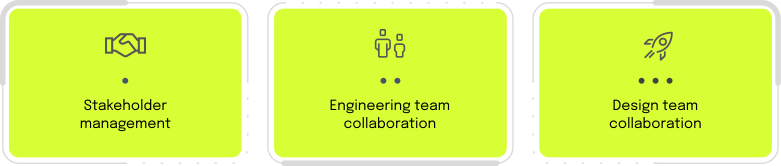
While design tools are essential, they are just one piece of the puzzle. To create effective and impactful designs, several other elements are equally, if not more, important. When it comes to driving change within any organization I work with, I rely on three key pillars of strength:
Stakeholder Relationships: A Cornerstone of My Design Approach
I cannot stress enough the importance of this pillar. As a designer, I always strive to maintain constant communication with my product owners. It’s crucial for me to be part of the long-term vision for the product we are building. Agreements and disagreements are a natural part of this relationship, and I welcome them as opportunities for growth and improvement.
Sometimes there is pushback from stakeholders on my design proposals, and vice versa. However, these discussions are never confrontational; rather, they are constructive dialogues aimed at creating the best possible product. I firmly believe that these crucial conversations are what elevate the design and make the end result truly great.

I never make assumptions. I strive to fully understand the problem statement and align with key stakeholders on business goals.
Strengthening Design Through Engineering Collaboration
These are the folks who bring my imaginations to life. I owe them everything. That’s why I make it a point to involve them in any conversations I have regarding design from the very beginning. By fostering this early collaboration, I avoid potential roadblocks down the line, such as being told that there are technical restrictions to the things I’m designing. This partnership helps bridge the gap between vision and execution, resulting in cohesive and functional products.
Collective Creativity: Jamming with My Design Crew
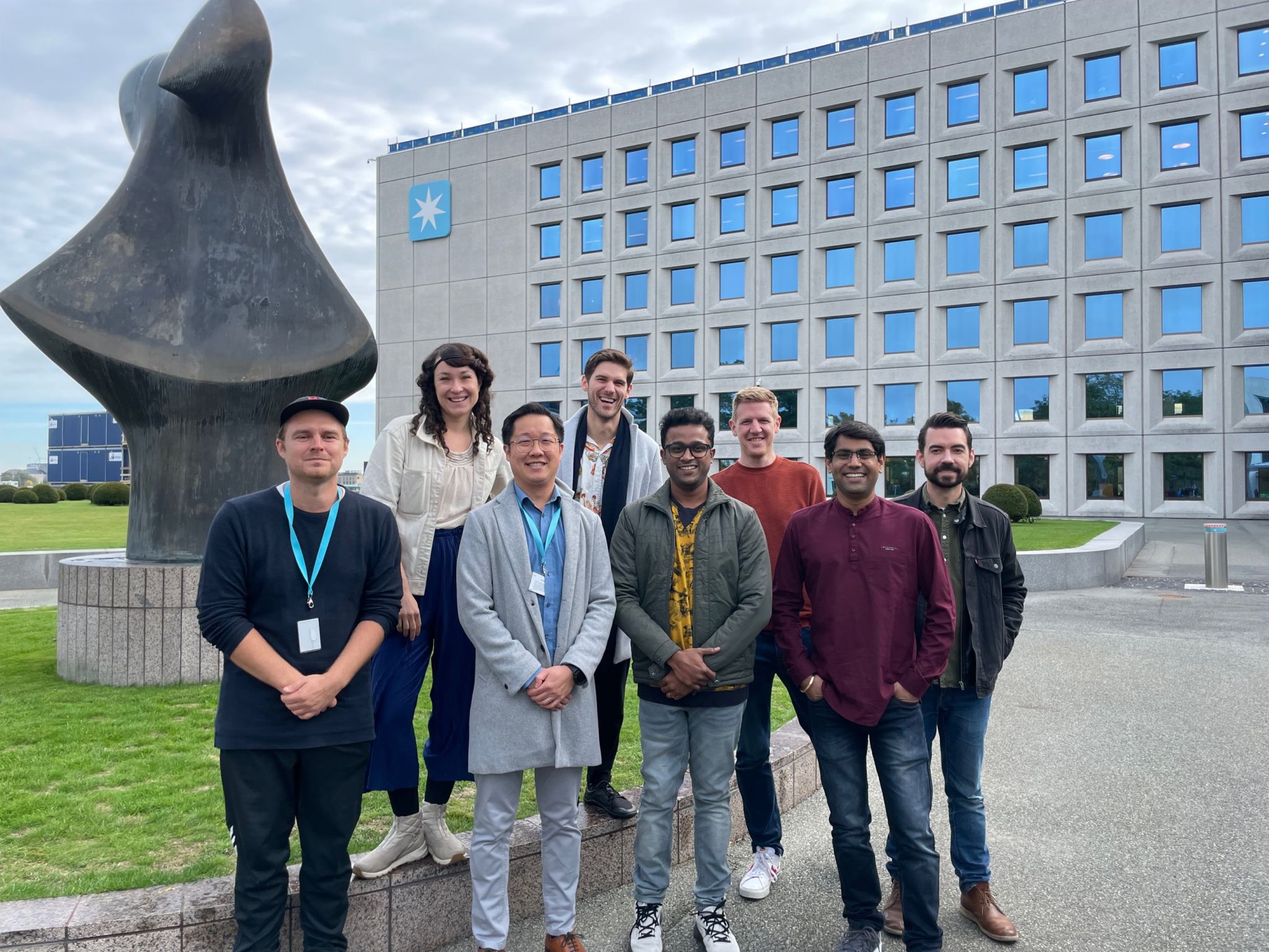
We are a closely knit group that meets twice a week for sharing sessions. These gatherings are invaluable for sharing our work, critiquing each other, and maintaining consistency across the platform we are building.
During these sessions, we align our visions and jam on ideas, fostering an environment where creativity thrives. My team inspires me every day; they teach me new things and push me to fulfill my potential. Together, we cultivate a culture of collaboration that elevates our designs and drives meaningful impact.
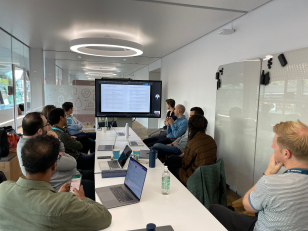
Keeping Everyone in the Loop: My Approach to Communication
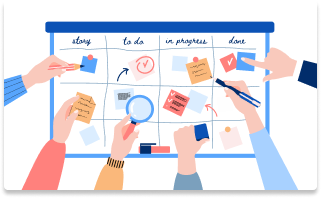
I keep all my stakeholders — designer team, engineers, and product owners—informed about design decisions. No one should be surprised by the final outcome after it’s been finalized. I leverage various tools to document my work and facilitate transparency. Personally, I use Jira for official communication, ensuring that all discussions and decisions are recorded. This practice not only fosters accountability but also strengthens collaboration across the team.
The Discovery Phase Playbook I Follow
It’s during this phase that I gather insights, define the problem, and align with stakeholders to ensure that the design direction is on point. Here’s my ultimate checklist to navigate this important stage effectively:
- Conduct qualitative and quantitative research.
- Understand users' struggles, needs, and goals.
- Identify what works now and what doesn't.
- Prioritize must-have features over nice-to-have features.
- Determine absolute "no-no's" based on user feedback.
- Involve the engineering team early in the process.
- Understand their expectations from the design team.
- Learn about the legacy systems from the engineering team.
- Identify resource constraints, and technical constraints.
- Plan and execute in sync with engineering sprints.
- Assess the product's current standing in the market.
- Identify better products available in the market.
- Find inspiration from competitors' strengths.
- Determine the unique selling proposition (USP) of our product.
- Strategize ways to differentiate from competitors.
My Personal Formula for Effective User Research
- Creating Trust: Assure users there are no right or wrong answers.
- Setting Clear Context: Outline the research purpose for a positive atmosphere.
- Encourage Openness: Help users feel relaxed to share candidly.
- Avoiding Ego Triggers: Approach sensitively to prevent defensiveness.
- Asking Follow-Up Questions: Dive deeper to uncover valuable insights.
- Use Redirecting Techniques: Gently steer back off-topic users.
- Provide a Clear Agenda: Share a structured agenda beforehand.
Revisiting the Problem Statement
This crucial step helps ensure that we are solving the right problem and determine if any adjustments are needed. By analyzing the research data alongside our business goals, we can assess whether the initial problem statement still holds true. If there’s a misalignment or if new insights suggest a different direction, it’s essential to rewrite the problem statement to reflect our current understanding and objectives. This ensures that our design efforts are focused and effective, paving the way for successful outcomes.

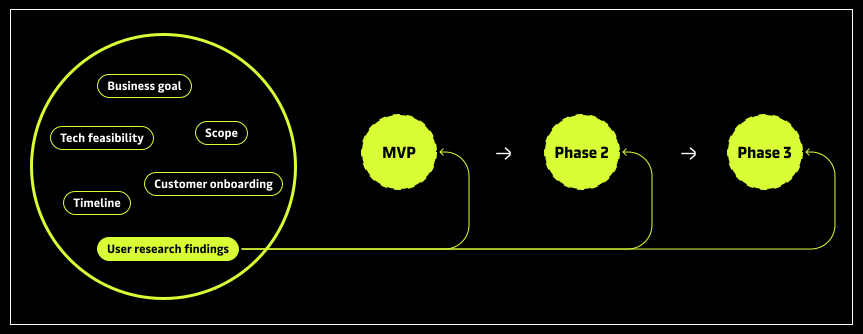
Mapping Research Insights to Our Product Vision
After gathering user research insights, I’m eager to implement features. However, I recognize that technology, time, and budget constraints limit my options. I prioritize features that align with our product vision, focusing on what’s essential for the Minimum Viable Product (MVP) and planning phased releases. This ensures we meet core user needs while allowing for quick launches and valuable feedback. As the product evolves, I remain committed to introducing additional features that align with user needs and our vision. Let me know if this works or if you need further adjustments!
Design, Iterate, Test & Handover
Scribbling like a Child
My unconditional love for black pens and dotted notebooks leads me to scribble extensively when conceptualizing ideas. There’s a certain magic that happens when I put pen to paper.
I find that designing directly in tools can sometimes restrict my ability to think outside the system. Scribbling allows me to explore ideas more freely and make unexpected connections.
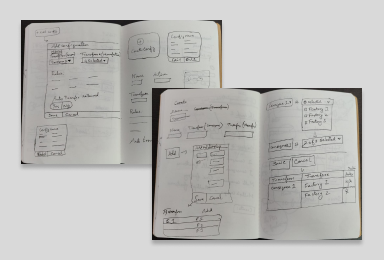
I aim to break the logical pattern. I will always let my inner child run wild with ideas and set aside logic.
Ideating Ideas/Going Crazy
I aim to break free from the pattern prison whenever I have the chance. While people often resist change and push back against new concepts, I refuse to let that deter my creativity.
- Have No Fear of Failure: Embrace mistakes as part of the creative process.
- Have No Fear of Judgment: Let go of concerns about how others perceive my ideas.
- Be Like a Child and Go Crazy: Allow myself to explore wild ideas without constraints.
By adopting this mindset, I continuously generate innovative concepts that challenge the status quo.
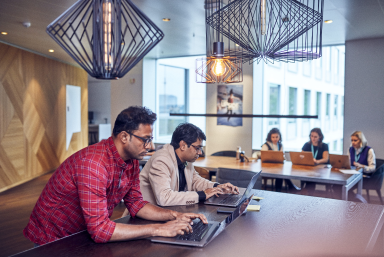
I believe in radical ideas. I never aim for the same thing, and I never stop my mind when it goes off-road or gets a little crazy.
Design handover
Once I’ve designed everything and it’s approved and test-proven, it’s crucial that I maintain my design files in an organized manner before handing them over to the Engineering team for development. Developers and quality analysts often find it difficult to understand design files, so it’s my duty to make things easier for them. To achieve this, I follow these best practices:
Maintain Version Control While Iterating
I ensure that each iteration of my design is clearly labeled and stored in a version-controlled system. This allows the Engineering team to track changes and understand the evolution of the design.

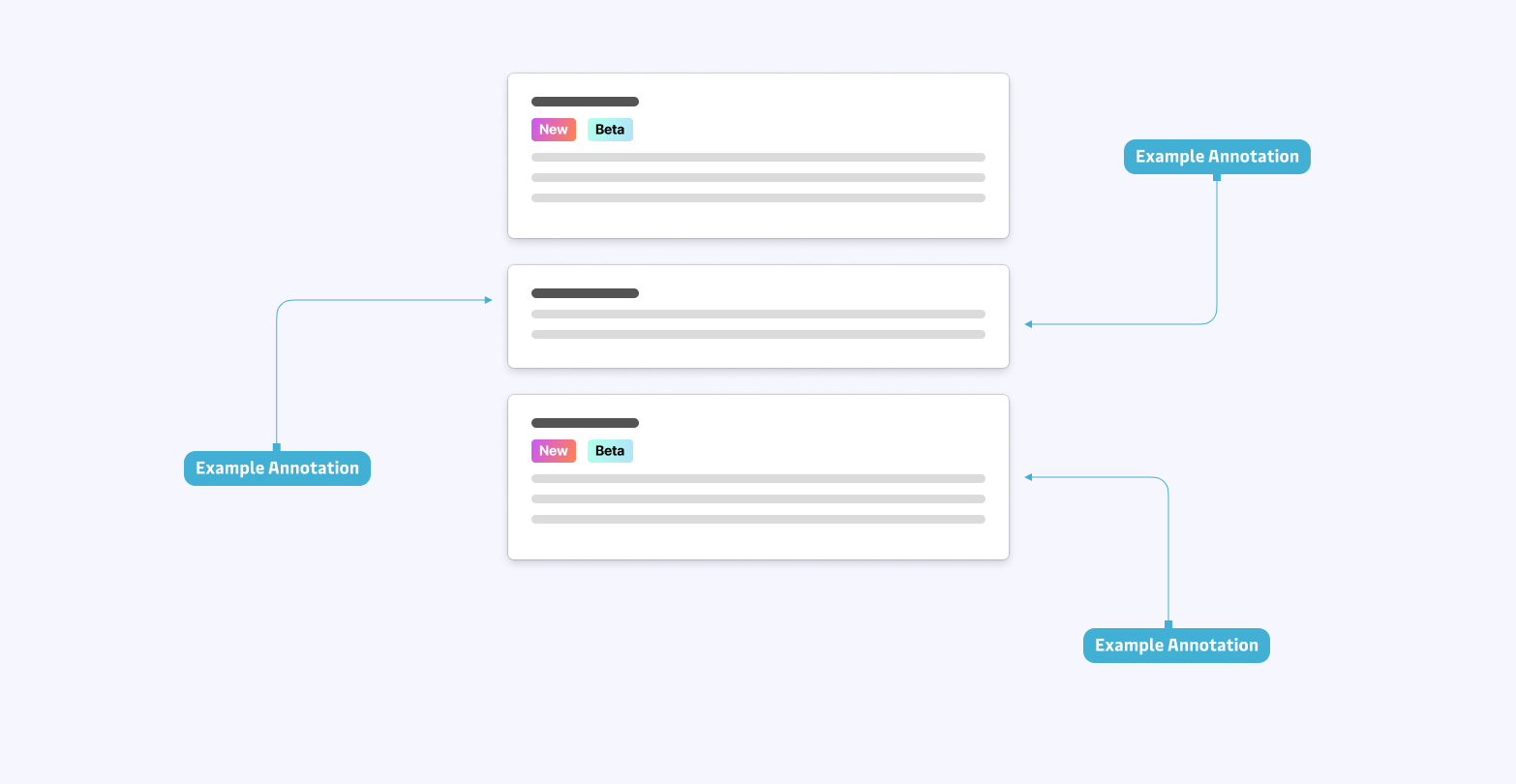
Annotate My Designs for Easy Understanding
I add detailed annotations to my design files, explaining the rationale behind design choices and interactions. This context helps developers grasp the intent behind each element, reducing misinterpretations.
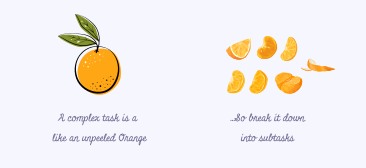
Break Designs into Manageable User Stories
I divide complex designs into smaller, digestible sections or components. This approach simplifies the handover process and allows developers to focus on one piece at a time, making implementation more efficient.
Create Prototypes to Demonstrate the User Flow
I develop interactive prototypes that showcase the user flow and interactions. These prototypes serve as a visual guide, helping the Engineering team understand how users will navigate the product and ensuring alignment on functionality.
By following these steps, I can ensure a seamless handover and facilitate efficient implementation of my designs by the Engineering team.
Conclusion
In my design journey, I strive to foster collaboration, embrace creativity, and maintain clarity throughout the process. By prioritizing teamwork with my design, engineering, and product teams, I ensure that my ideas are not only innovative but also executable. My commitment to organized design handovers and thoughtful documentation further empowers my colleagues to bring our shared vision to life. Ultimately, I believe that a harmonious blend of creativity and collaboration leads to exceptional products that resonate with users and meet business objectives.
The things I design should have harmony; otherwise, they become a source of irritation.