

Streamlining Import Customs Clearance for Seamless Global Trade

Overview
For the past four years, Maersk has been transforming global logistics by building its own integrated supply chain platform—leveraging cutting-edge technology to digitalize, automate, and optimize legacy processes. This initiative enhances operational efficiency, reduces costs, and improves customer satisfaction by eliminating bottlenecks in global trade.
One of the critical aspects of this transformation is import customs clearance—a high-stakes process that, if mismanaged, can lead to costly penalties and shipment delays. We set out to build a centralized, automated, and highly visible system that empowers businesses to clear shipments faster, ensuring smooth global trade operations.
The Impact
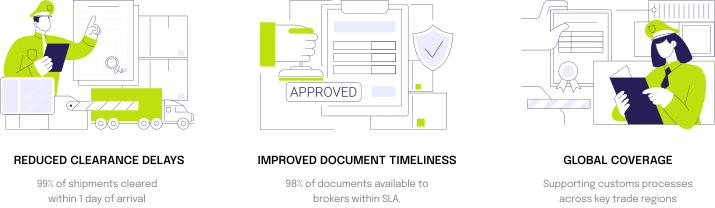
The solution aimed to drive measurable improvements in customer operations. By digitizing and streamlining customs coordination, we significantly improved efficiency and visibility, ensuring faster clearance and reducing operational bottlenecks.
My Role
✔ Led the end-to-end design of the customs clearance coordination module.
✔ Collaborated with stakeholders, including product managers, engineers, and customs experts, to align with regulatory needs.
✔ Conducted user research with customs brokers and logistics teams to optimize workflows.
✔ Designed intuitive interfaces for tracking, updating, and managing customs clearance.
✔ Ensured consistency with Maersk’s MD5: UI design system for a seamless experience.

Understanding the Problem
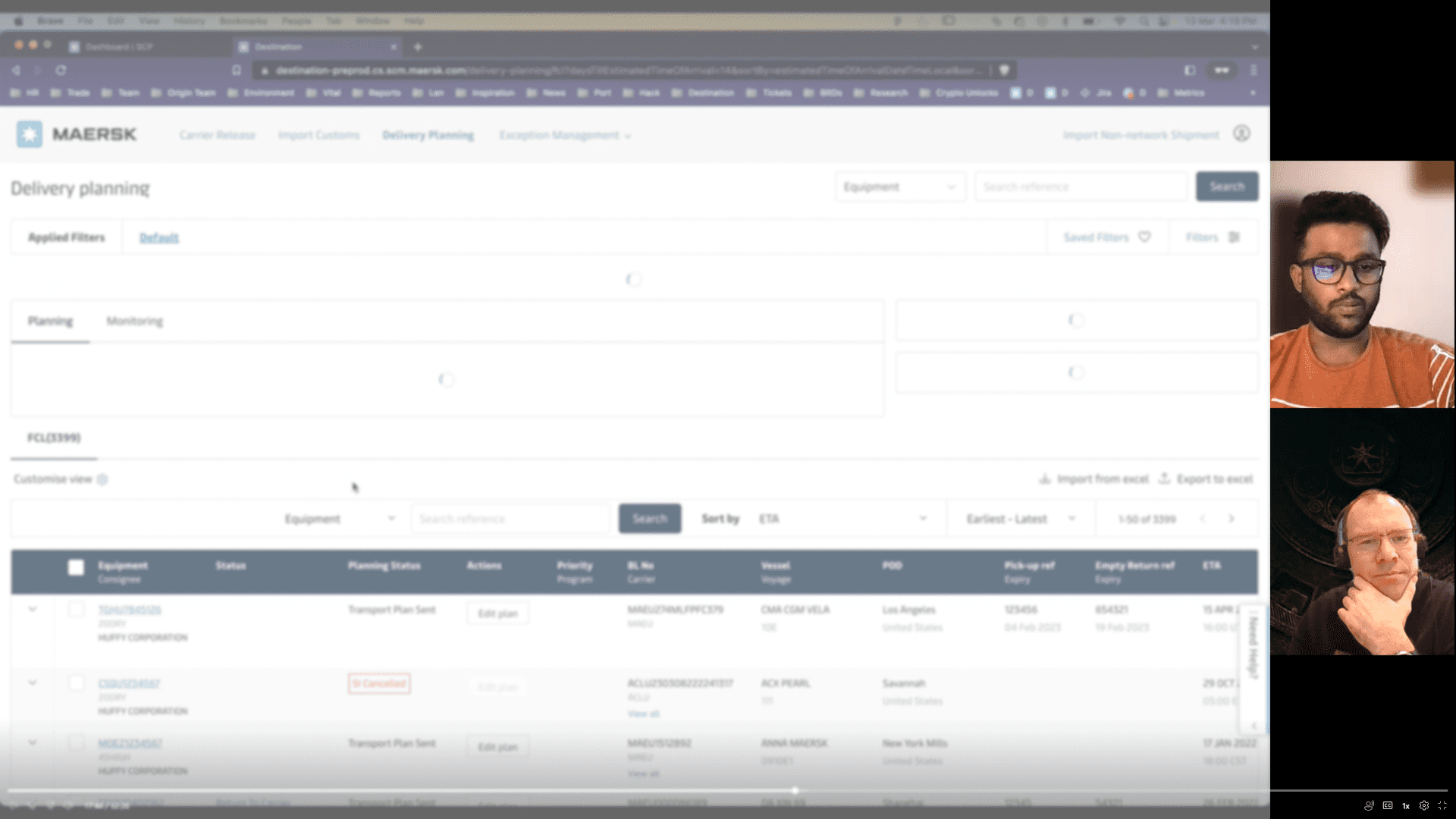
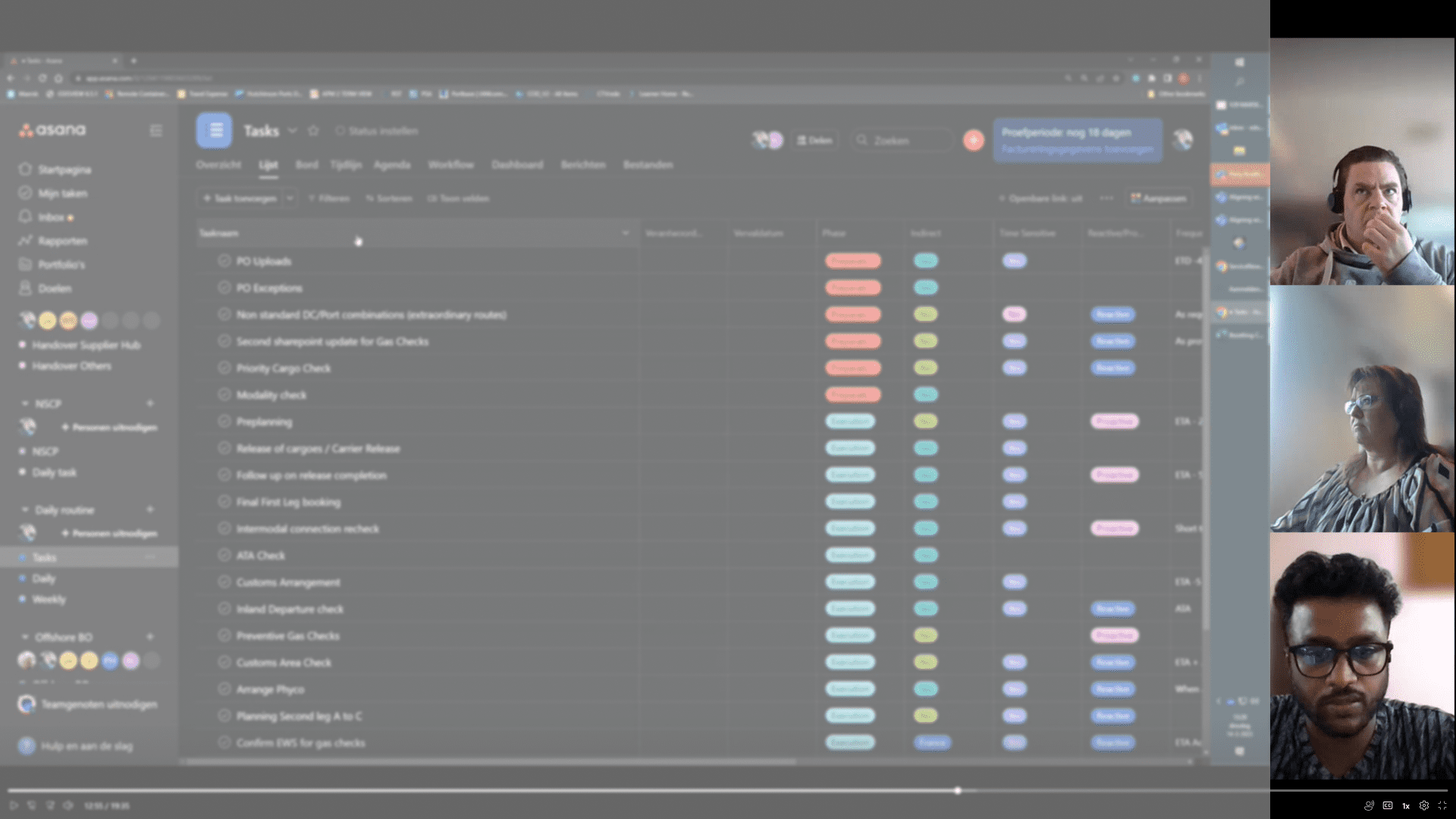
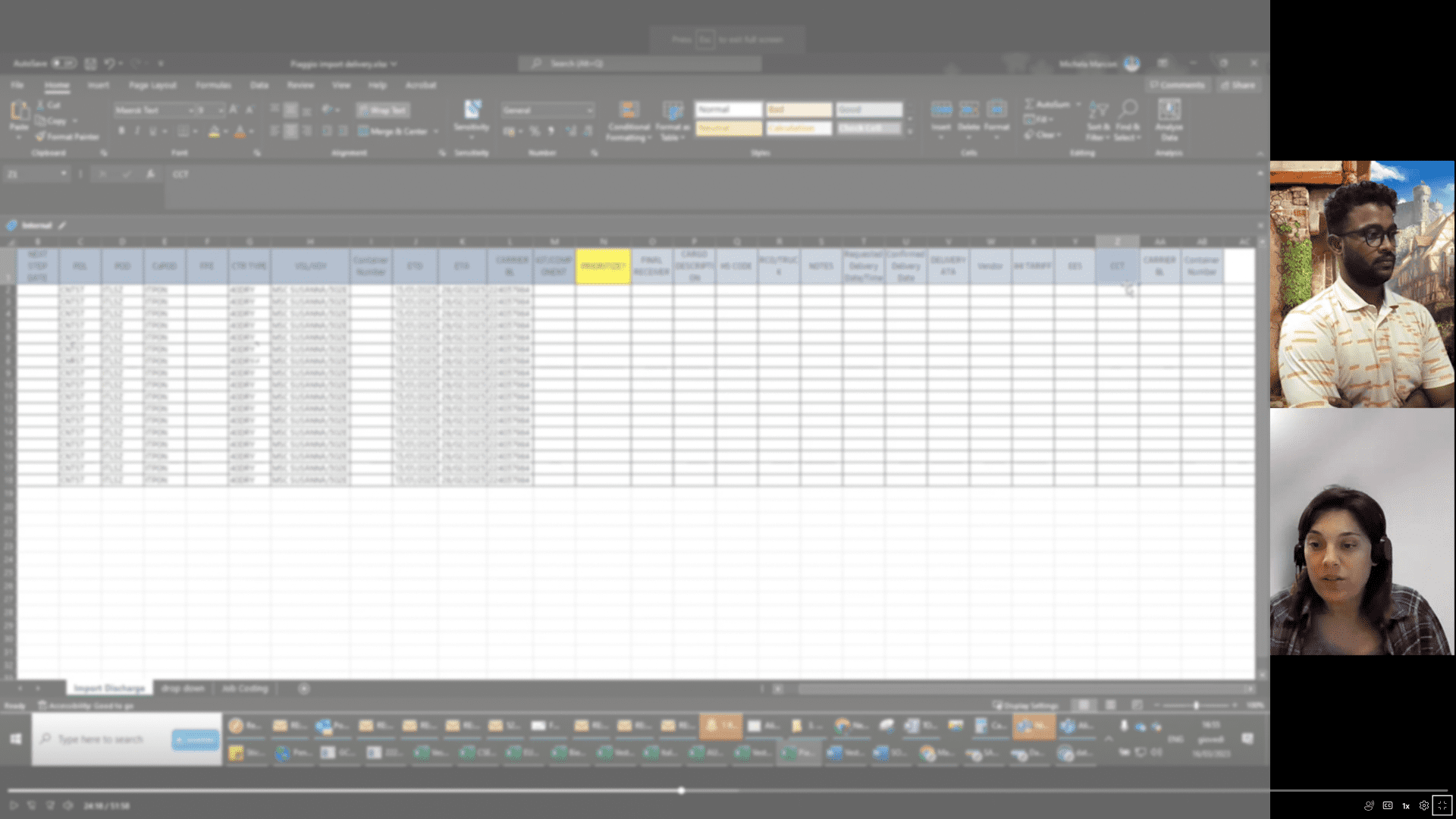
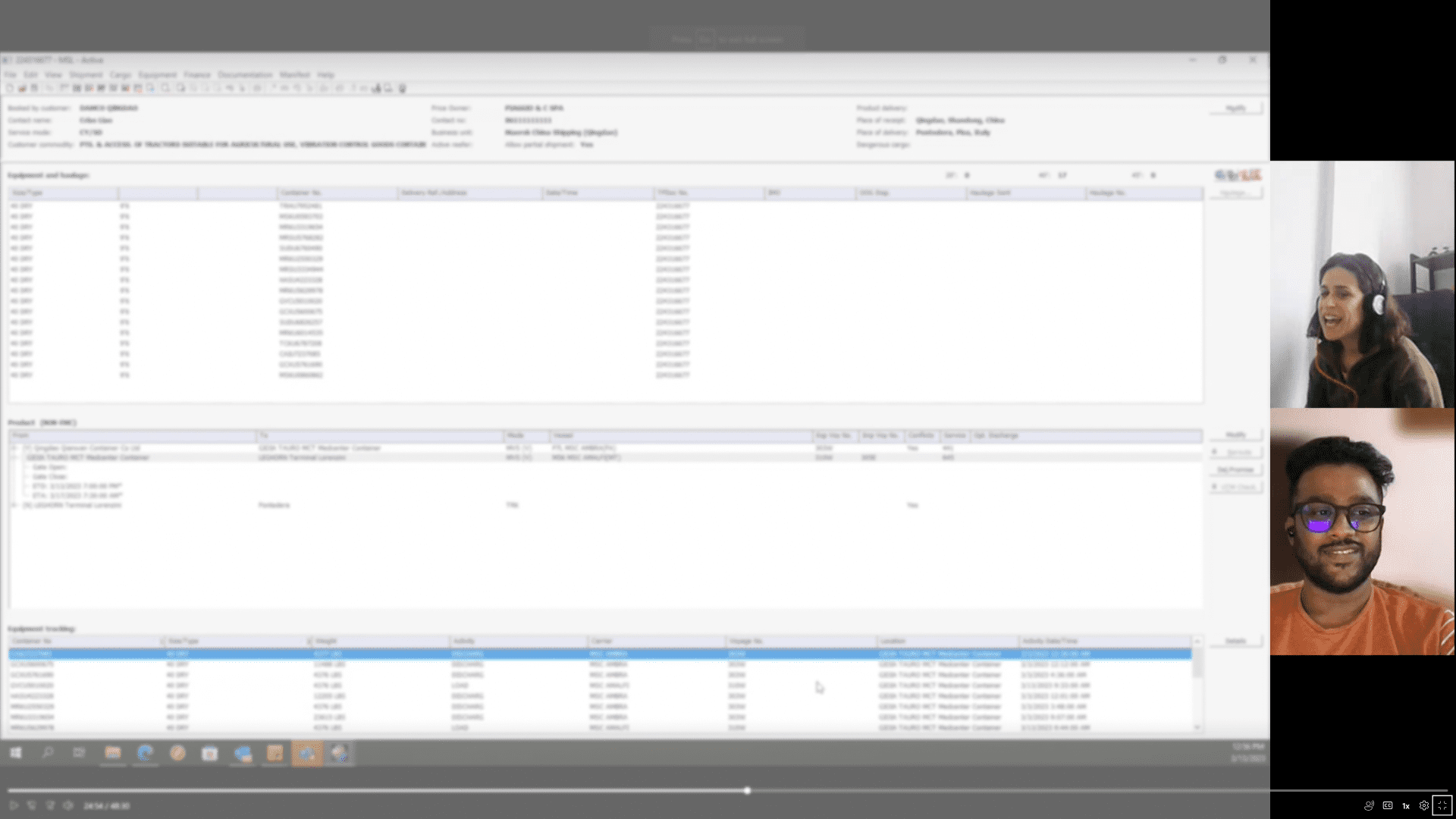
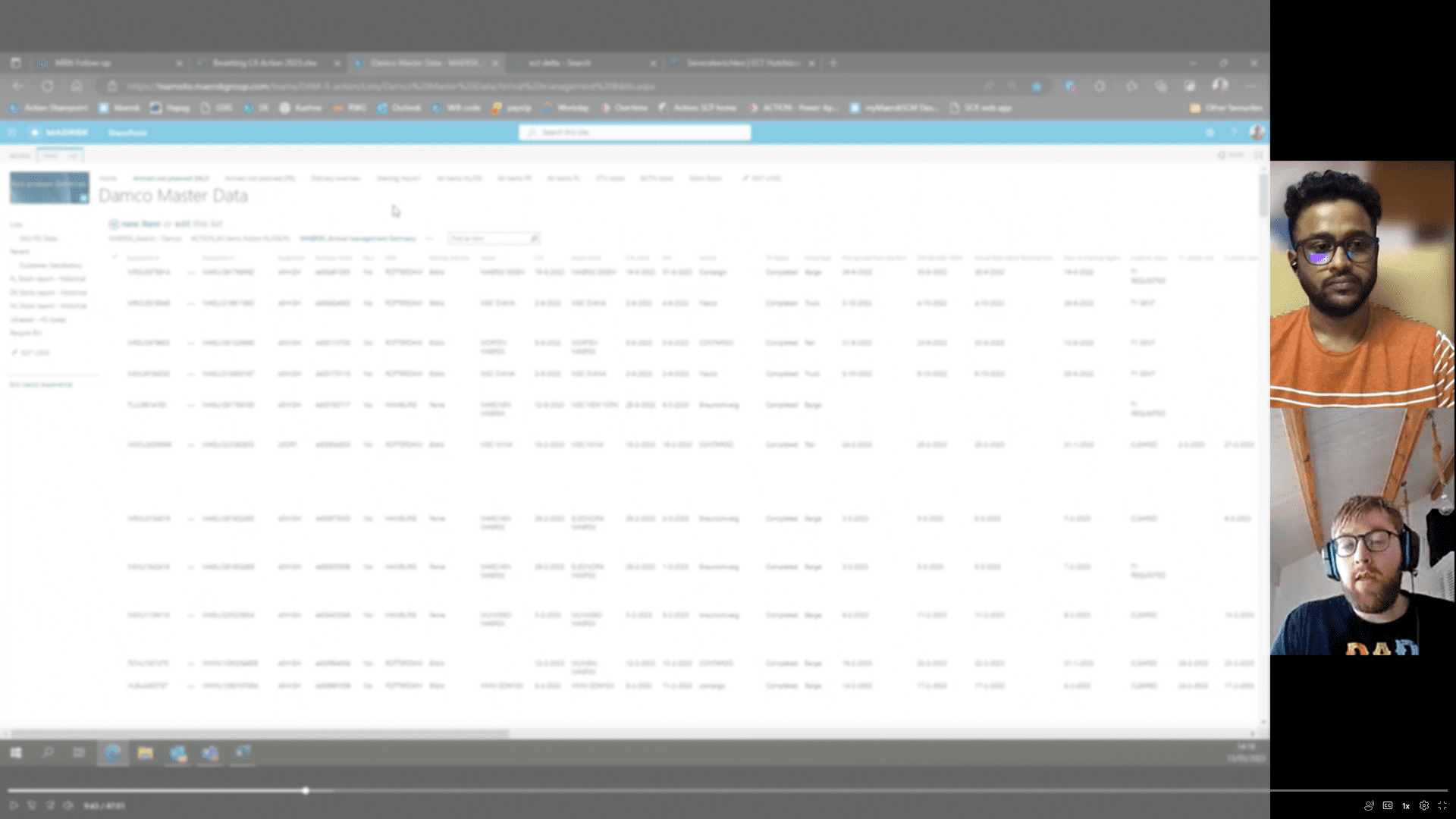
Customs clearance is riddled with inefficiencies that lead to unnecessary costs and shipment delays. To design an effective solution, I conducted deep user research with customs brokers, logistics teams, and customer agents across multiple regions to understand their workflows, challenges, and pain points. By engaging with users from different trade zones, I identified key bottlenecks in the process and designed solutions tailored to diverse regulatory environments.

click to enlarge
The Challenge
Global trade regulations are highly fragmented, with different requirements for each country. Customs clearance involves multiple parties—brokers, shippers, and authorities—each needing real-time access to the right information to avoid shipment holds and delays.

01. Costly penalties
02. Manual processes
03. Lack of visibility
The Solution
To address these challenges, we designed a Import Customs module that simplifies and accelerates the clearance process. By automating document handling, integrating with broker systems, and providing real-time shipment visibility, we enabled seamless coordination between all stakeholders.
We developed a customs coordination module within Maersk’s supply chain platform, offering:
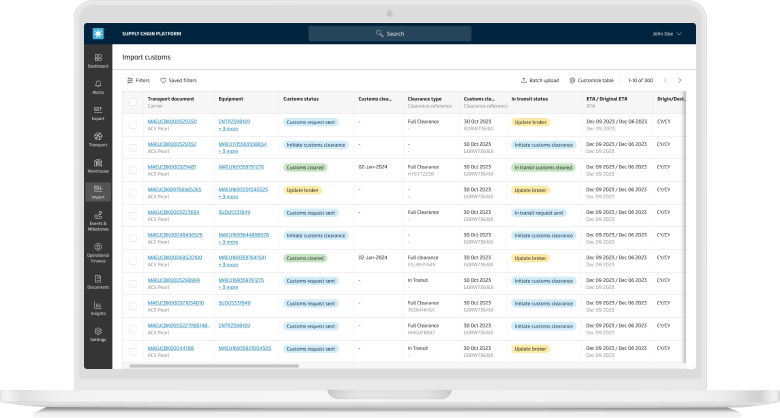
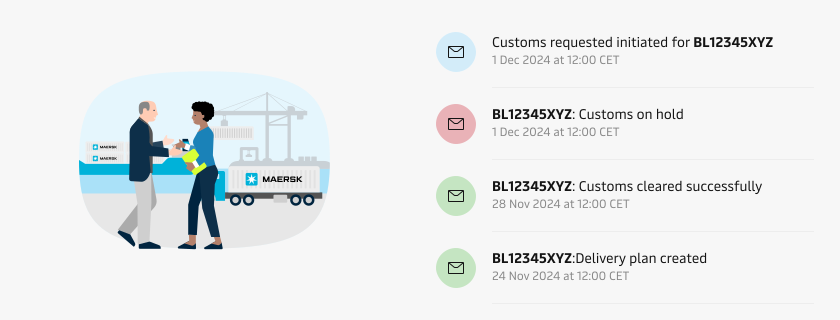
Real-time clearance tracking
Customers, brokers, and internal teams gain live status updates at BL, AWB, and container levels. This visibility reduces uncertainty in planning downstream operations and helps proactively address potential clearance bottlenecks.
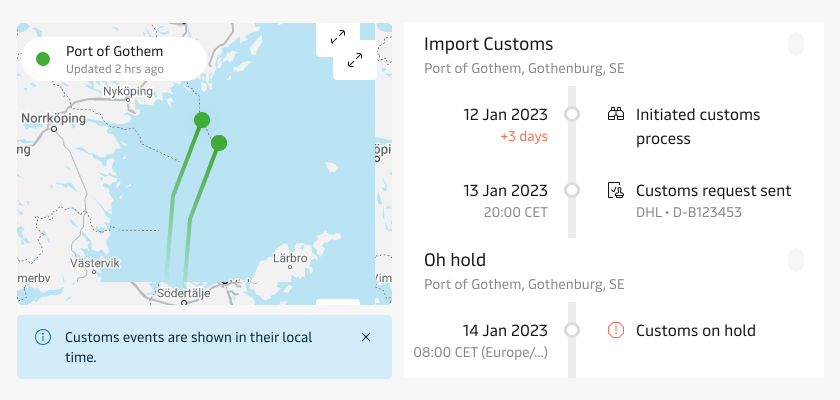
Broker Communication Integration
Seamless data exchange via API and EDI eliminates reliance on email-based coordination. Brokers receive shipment details, clearance requirements, and document updates in real-time, ensuring faster responses and minimizing back-and-forth delays.
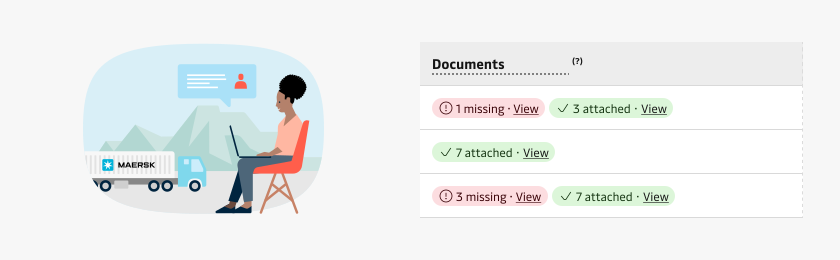
Automated document verification
The system automatically verifies the completeness and accuracy of required customs documents before submission. It identifies missing or incorrect paperwork early, reducing delays caused by manual errors and ensuring compliance with country-specific regulations.
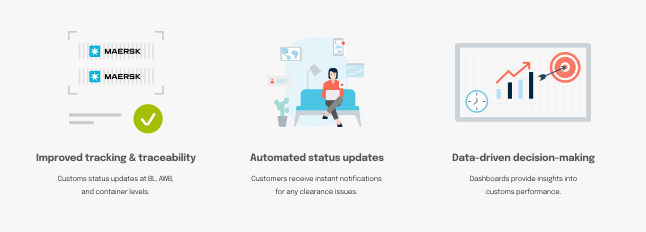
Enhancing Visibility & Automation
By integrating with Maersk Customs Services (MCS) and third-party brokers, we enabled seamless, real-time coordination for customs clearance across multiple regions.
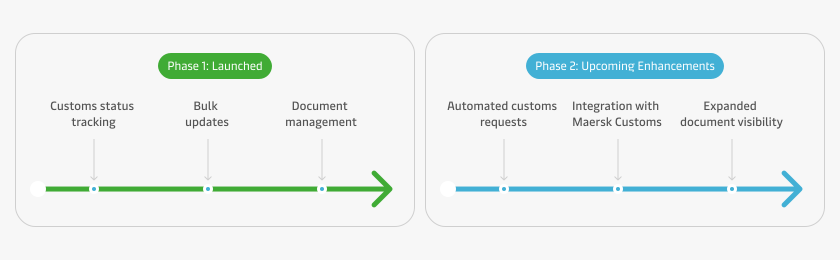
Key Features & Enhancements
To streamline customs clearance, we implemented a phased rollout of key features, focusing on visibility, automation, and seamless collaboration between shippers, brokers, and customs authorities. The initial phase addressed the most pressing challenges, while future enhancements continue to build on automation and intelligence.
Final Thoughts
This initiative is a key step in Maersk’s mission to digitize and optimize global logistics, ensuring faster, more transparent customs clearance. Design played a critical role in translating complex regulatory workflows into a seamless digital experience—reducing delays, improving efficiency, and driving business impact.
This project reinforced the value of design in enterprise systems—where clarity, efficiency, and user experience directly contribute to business success and customer satisfaction.